
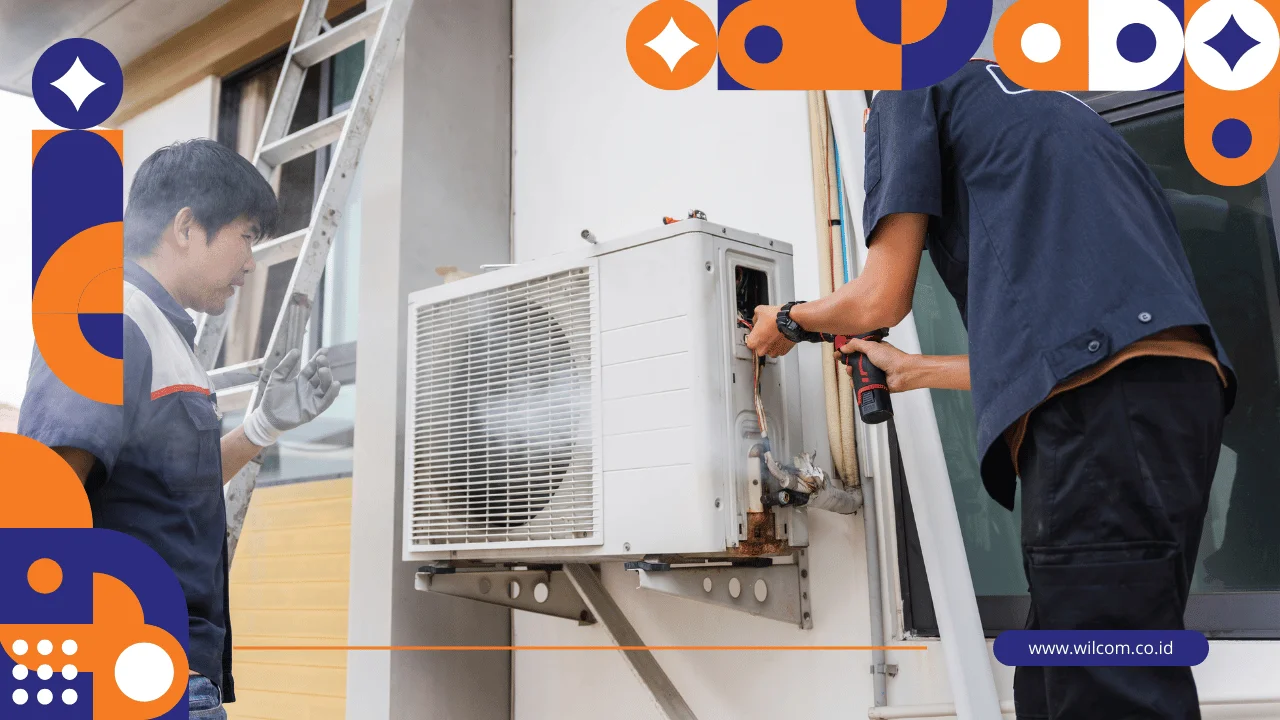
Heating, Ventilation, and Air Conditioning (HVAC) systems play an essential role in maintaining comfortable indoor environments for modern buildings. Whether in offices, commercial spaces, or industrial facilities, a properly designed HVAC system ensures stable temperature control, clean air circulation, and efficient energy use.
Professional HVAC installation ensures that building environments remain comfortable while maintaining energy efficiency and system reliability.
With the right HVAC system design and installation, businesses can improve indoor air quality and reduce long-term operational costs.
Importance of Proper HVAC System Design
Every building has different ventilation and temperature control requirements. Factors such as building size, occupancy, equipment heat load, and environmental conditions must be considered when designing an HVAC system.
Professional HVAC installation services evaluate these factors carefully to determine the most efficient system configuration. This includes selecting the right equipment, ducting layout, ventilation systems, and temperature control mechanisms.
Proper HVAC design ensures balanced airflow and efficient temperature management throughout the building.
Improving Indoor Comfort and Air Quality
A well-installed HVAC system significantly improves indoor comfort and air quality. Good ventilation systems remove pollutants, control humidity levels, and ensure a steady supply of fresh air.
For commercial and industrial facilities, maintaining proper air circulation is important for both employee comfort and equipment performance.
High-quality HVAC systems also help reduce dust accumulation and improve overall indoor environmental conditions.
Energy Efficiency and Cost Savings
Modern HVAC systems are designed with energy efficiency in mind. Professional HVAC installation helps optimize system performance so that buildings can maintain comfortable temperatures without excessive energy consumption.
Efficient HVAC systems reduce electricity usage, which helps businesses lower operational costs. Over time, these energy savings can significantly offset the initial investment in HVAC installation.
Energy-efficient systems also contribute to sustainable building operations.
Importance of Regular HVAC Maintenance
Like any mechanical system, HVAC equipment requires regular maintenance to ensure optimal performance. Routine inspections help detect potential issues such as airflow restrictions, refrigerant leaks, or component wear.
Professional maintenance services include cleaning filters, checking system pressure, inspecting ductwork, and testing system performance.
Regular maintenance extends the lifespan of HVAC equipment and helps prevent unexpected breakdowns.
Importance of Regular HVAC Maintenance
HVAC installation and maintenance are essential for maintaining comfortable, efficient, and healthy indoor environments. Properly designed HVAC systems improve air quality, support energy efficiency, and ensure reliable building operations.
By working with experienced HVAC professionals, businesses can ensure their buildings maintain optimal environmental conditions while controlling energy costs.